







Search Results for: one bean two ways
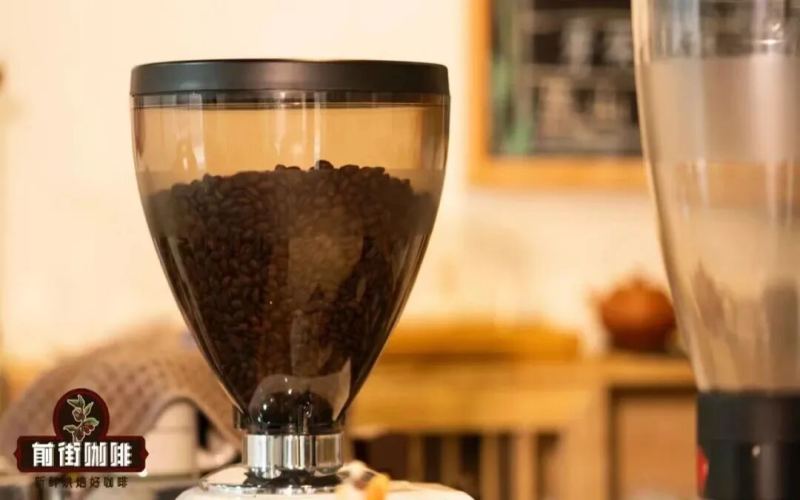
Coffee Storage | Which is fresher: pre-ground coffee or freshly roasted coffee beans? How long is the shelf life of coffee beans? Can proper coffee bean storage methods extend the freshness of coffee?
Front Street recently noticed that some coffee-loving friends have stored their coffee beans unopened for two months, believing that as long as the bag is unopened, the beans won't go bad. In fact, it's true they won't spoil, but this will affect the flavor of the coffee beans. So in this next article, Front Street will explain a bit about cof [more…]
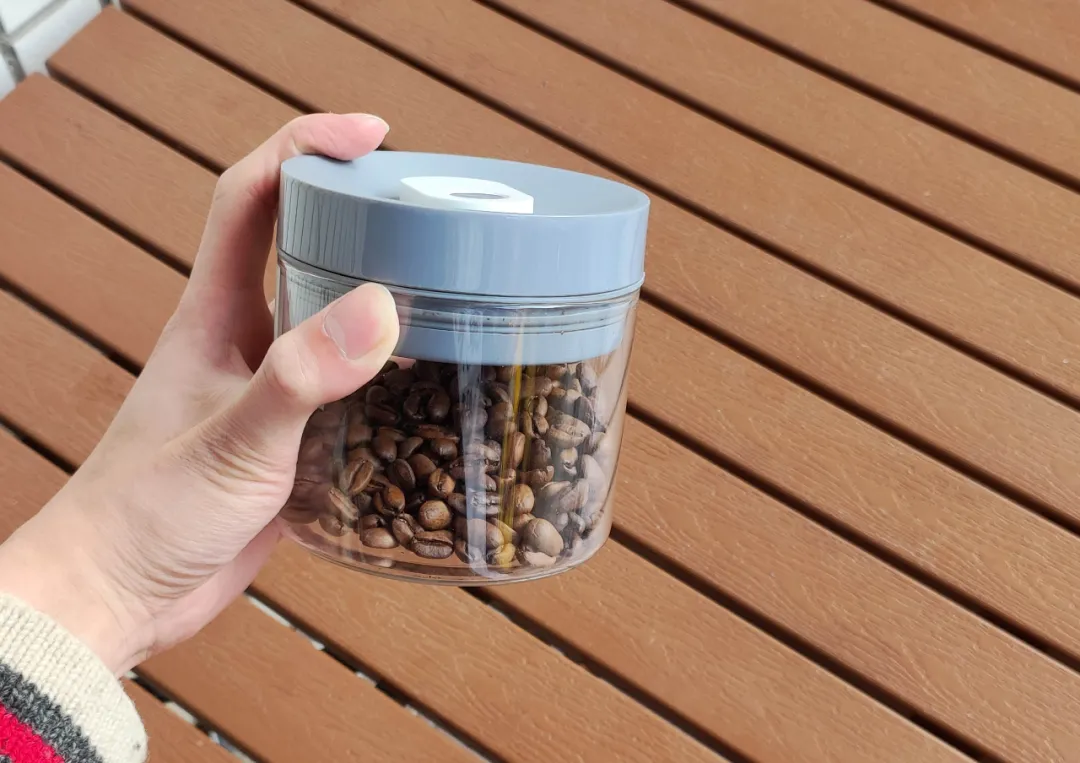
Coffee Grounds Shelf Life | How Long Do Fresh Coffee Beans Last? Can You Still Drink Coffee Beans Past Their Peak Flavor Period? How to Properly Store Coffee Beans?
For more specialty coffee knowledge, please follow: Front Street Coffee (Frontsteet Coffee). Front Street recently noticed that a small number of coffee-loving friends have left their coffee beans unopened for two months, believing that as long as the package is unopened, the coffee beans will not spoil. In fact, it really does not affect the coffee's [more…]
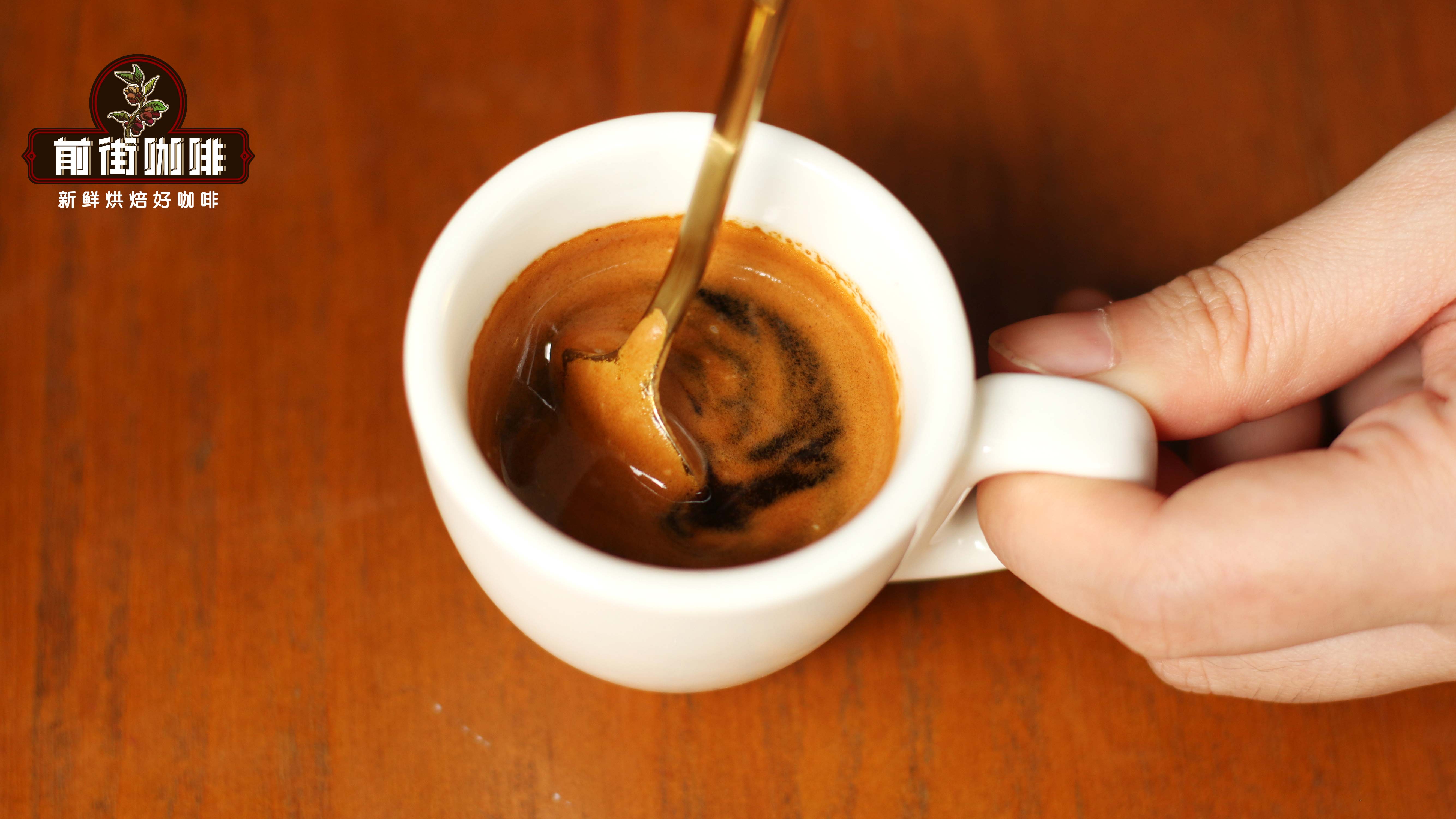
Intro to Espresso | What Are the Ways to Drink Espresso? What Coffee Beans Should Beginners Use for Making Espresso at Home?
"How do you drink espresso?" - It has to be downed in one gulp! Don't think this is a joke—espresso really is meant to be downed in one gulp! Many friends may find espresso very bitter the first time they try it, but gradually, you'll come to sense the rich aroma and full-bodied depth of espresso's original flavor—something other cof [more…]
One Bean, Many Ways | What Is Combo Coffee? Why Is Coffee Combo So Popular? Which Coffee Beans Are Best for Making Combo Coffee?
By splitting the extracted espresso into 2~3 portions, then separately crafting each into a different type of coffee and finally combining them for service, this is a very popular serving format in coffee shops today—Coffee combo. Because you can simultaneously taste different "dishes" made from a single bean [more…]
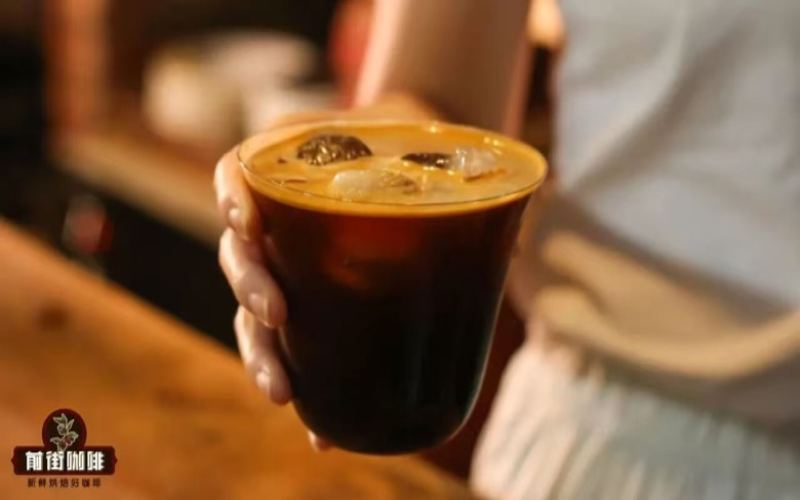
A single bean is too monotonous—try the recipe approach of cold brew blending.
In the cold brew world, blending is a popular trend—mixing two or three beans in certain proportions and steeping them together. The flavors complement each other, creating layers that a single bean can't deliver. With hot pour-over, blends tend to clash, but cold brew's low-temperature extraction is much gentler, allowing beans to meld together seamlessly—making it easy for beginners too. If you're tired of single-origin beans and want to explore something new [more…]
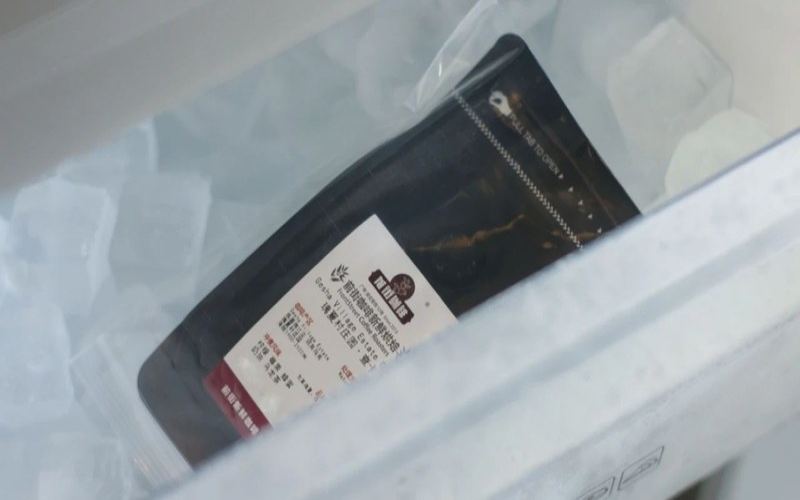
After Roast Day: The Opening Rhythm of Three Latte Beans
Whether the aroma of coffee beans can cut through milk in a latte depends not only on the beans themselves but also on how many days have passed since roasting. Freshly roasted beans are still rapidly releasing carbon dioxide, which can cause uneven espresso flow and coarser foam; leave them too long, and the nutty, caramel, or fruity notes gradually fade. Catching that middle window of peak condition, [more…]

Pros and Cons of Drip Bag Coffee | How to Brew Jamaican Blue Mountain No. 1 Drip Coffee Bags? What Are the Wrong Ways to Brew Filter Coffee Bags?
For more specialty coffee knowledge, please follow the WeChat official account: Front Street Coffee (FrontStreet Coffee). Drip bag coffee is loved by coffee enthusiasts for its convenience, so many novice coffee lovers who have just started using drip bag coffee ask Front Street Coffee (FrontSt [more…]
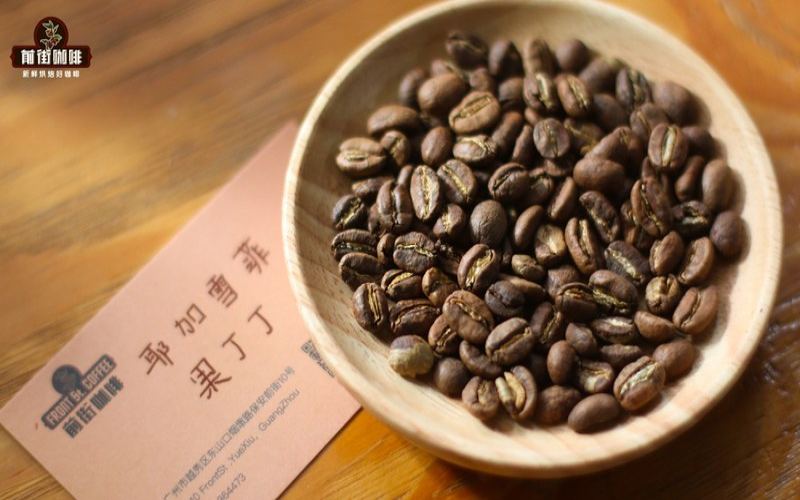
When to Start Drinking Espresso Beans: Roast Date, Degassing, and Storage Rhythm
After coffee beans leave the roaster, their flavor does not settle immediately. The beans continue to release carbon dioxide; when freshly roasted beans are used to make espresso, the puck is easily disturbed by the gas, making flow rate and extraction uniformity harder to stabilize. So-called freshness does not mean the closer to the roasting moment the better, but rather allowing aroma liveliness, degassing state, and [more…]
Espresso blend flavor calendar: when to start drinking after roasting
In the first few days after an espresso blend is roasted, the beans are still releasing carbon dioxide. If you pull a shot during this time, the puck is easily disturbed by the gas; the crema may look thick and rich, but the sip can taste loose and the aroma isn't fully focused. Planning together around the roast date, the expected opening date, and daily usage is often better than simply chasing freshly roasted beans [more…]
Pour-over for two
There are many ways to brew coffee, from the siphon method that feels like a chemist conducting an experiment, to simple extraction methods like the French press. Among them, pour-over may be the one with the most room for experimentation. Most brewing tutorials online are for a single serving, so how do you brew for multiple people? Attentive readers may have noticed that most brewing tutorials [more…]
Specialty Coffee Bean Storage | How Long Can Hand-Brewed Single-Origin Beans Be Stored? Can Coffee Beans Be Stored in the Refrigerator? What Factors Affect Coffee Freshness?
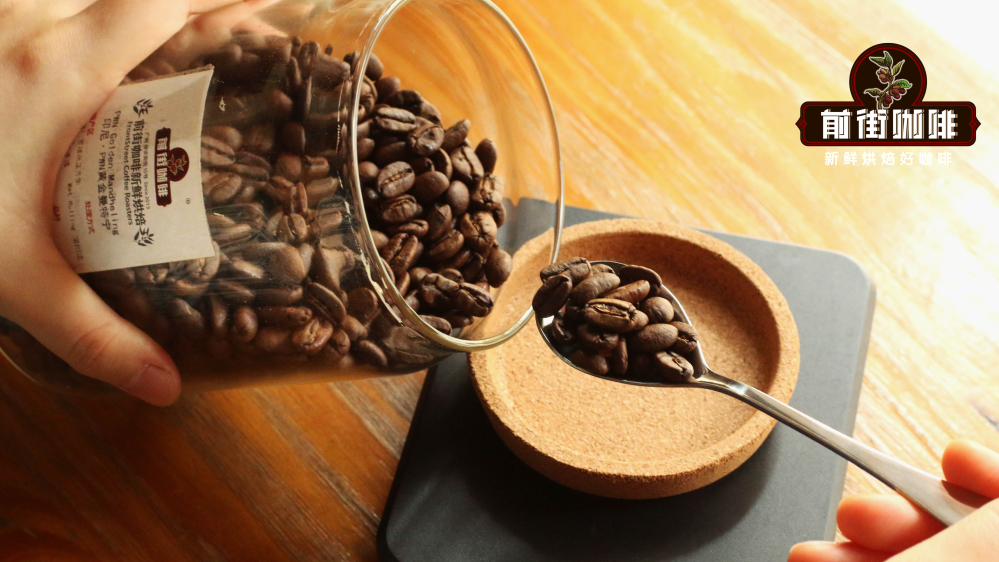
Introduction: How long do coffee beans stay fresh? What is the best way to store coffee beans? Should coffee beans be kept in the refrigerator? The freshness of coffee beans directly affects the flavor of a cup of coffee, and proper storage is a key factor influencing their freshness. Front Street Coffee would like to emphasize that there are mainly two ways to store coffee beans. [more…]
Espresso | What is espresso? How do coffee beginners make espresso? What are the correct ways to drink espresso?
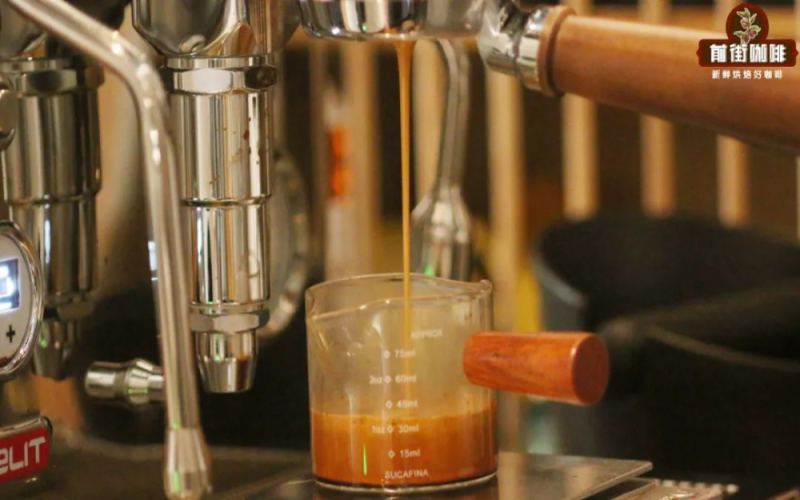
For more specialty coffee knowledge, please follow: Front Street Coffee (Frontsteet Coffee) "How do you drink espresso?" - It has to be downed in one gulp! Don't think this is a joke; espresso really is downed in one gulp! Many friends, when drinking espresso for the first time, might find [more…]
Flavor evolution during the roasting cycle: mastering degassing, rest, and the peak-flavor rhythm of espresso beans
Freshly roasted espresso beans contain a large amount of carbon dioxide gas trapped inside. This gas is slowly released over time, and in the early stage it produces a relatively vigorous degassing reaction. If the beans are ground and extracted immediately after roasting, the bubbles tend to hinder full contact between the water flow and the coffee particles, resulting in an unstable extraction flow. [more…]

Black Coffee Bean Varieties | What's the Difference Between Single-Origin Pour-Over Beans and Espresso Blend Beans? Can Espresso Blend Coffee Beans Be Used for Pour-Over Black Coffee?
With the development of specialty coffee, more and more people are falling in love with single-origin coffee. Two types of coffee have emerged on the market: single-origin coffee beans and blended coffee beans. Single-origin coffee beans are generally used for making pour-over coffee, though many specialty coffee shops also use single-origin coffee beans to make espresso. Blended coffee beans [more…]
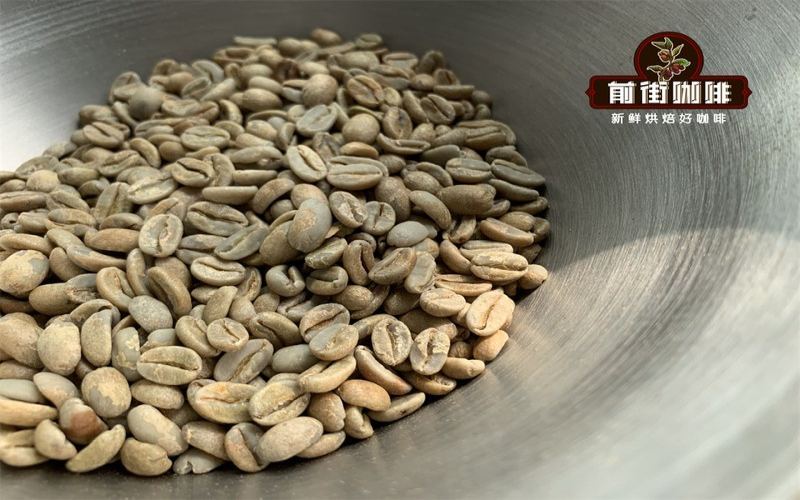
How to Determine the Peak Flavor Window of Commercial Coffee Beans? A Flavor Timeline from Degassing and Resting to Opening the Bag and Sealing It
The flavor profile of commercial coffee beans evolves continuously over time; the moment they finish roasting is not when they immediately reach their ideal flavor. After being heated, the interior of the bean traps a large amount of carbon dioxide, and this gas continues to be released outward over the first few days. Understanding the degassing and maturation process helps us more calmly plan each [more…]
Sweetness in the Roast Calendar: When to Open Three Americano Beans
A highly sweet Americano often does not show its full expression on the very day of roasting. When coffee beans have just left the roaster, they are still degassing heavily; excessive carbon dioxide makes the espresso fluctuate more and causes the aromas to mask one another. Scheduling the bag-opening date for the stage when the flavor gradually unfolds allows the fructose-like roundness, clean finish, and aromatic distinctiveness to be more easily [more…]
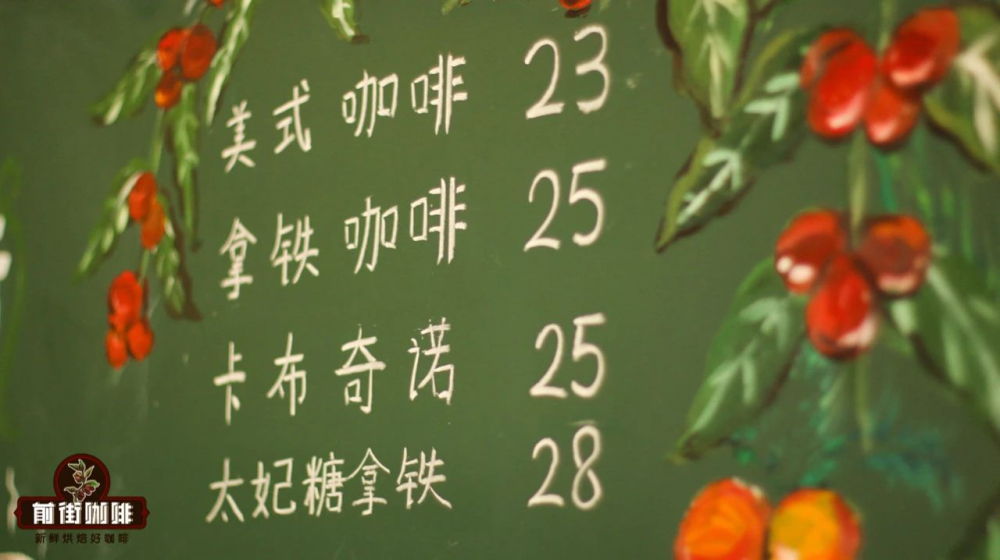
American Coffee Bean Characteristics | What Is American Drip Coffee? Can Espresso Blend Coffee Beans Be Used to Make Drip Black Coffee? Introduction to the Amount of Grounds Used in American Coffee Machines, Usage, and Operating Steps
For more specialty coffee knowledge, please follow: Front Street Coffee (Frontsteet Coffee). Customers who often come to Front Street for coffee sometimes ask the baristas whether there is a lazy-person coffee machine suitable for home use, preferably at a reasonable price. Well then… let's take a look at the American-style drip coffee machine! [more…]
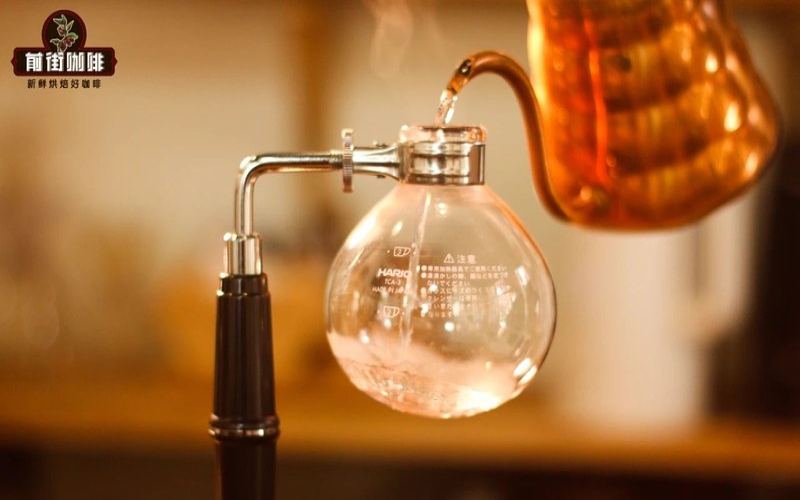
After Roast Date: When Should You Grind Coffee Beans for the Best Flavor?
Coffee beans just out of the roaster won't display their full flavor the moment they go into the espresso machine. They still hold a lot of carbon dioxide inside, and during pressure extraction this can make the water flow and crema behave erratically, while the aroma in the cup may also seem shut down. Give the beans a quiet period to degas, and the sweetness, body, and finish of the espresso will usually be more [more…]
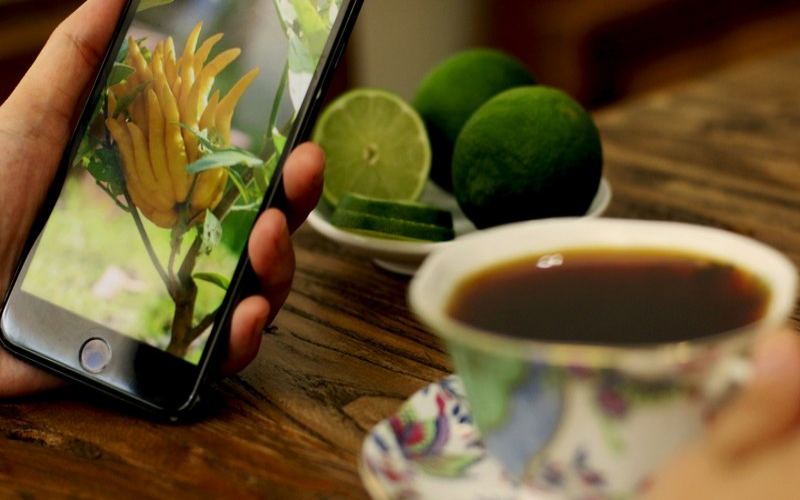
Moka pot coffee beans: when is the best time to start drinking for better flavor?
Coffee brewed with a moka pot is quite concentrated, and the condition of the beans directly affects how it tastes. Freshly roasted coffee beans are usually still releasing carbon dioxide; though the aroma may be punchy, the liquid can seem thin. After resting for a while, the sweetness, body, and finish gradually come together. When buying beans, besides looking at the flavor notes, also pay attention to the roast [more…]
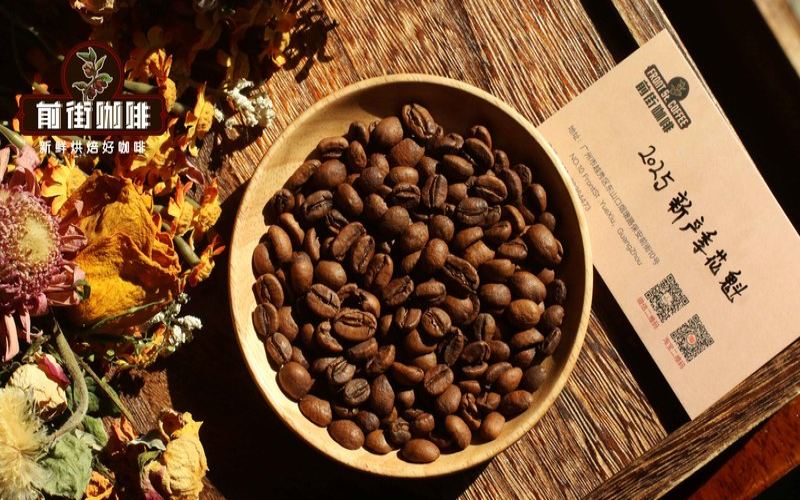
Yirgacheffe Coffee Beans: A Drinking Schedule from Roasting to Opening
Yirgacheffe's characteristic floral, citrus, and tea notes depend heavily on the time between when the beans finish roasting and when they're brewed. When buying beans, don't just focus on a few words on the flavor card—also check the roast date, the packaging method, and your own drinking speed. When the beans are in the right state, the aromas open up, and the acidity and sweetness show more layers. After roasting [more…]